
Navigating the Future of Global Trade in 2026
The maritime industry is undoubtedly the backbone of international trade. Responsible for approximately 95% of Brazil’s foreign trade, it connects continents, supplies markets, and sustains global supply chains at scale.
In a scenario marked by technological transformation, increasingly strict environmental requirements, and constant regulatory changes, companies specialized in maritime operations play a strategic role in the evolution of the sector.
In this article, we explore the key trends shaping the industry in 2026, highlighting the importance of specialization, efficiency, and innovation to ensure high-performance port operations.
The Strategic Role of the Maritime Industry
Maritime transport is the primary means of moving goods worldwide. Vessels carry everything from agricultural and mineral commodities to manufactured products and essential inputs.
In Brazil, this relevance is even greater: the country’s extensive coastline and the strategic location of its ports position it as a key logistics hub for international trade.
With growing global demand and increasingly complex supply chains, the efficiency of port operations has become a competitive advantage. Companies that master logistics processes, understand regulations, and maintain reliable partnerships are able to deliver agile, safe, and cost-effective solutions.
Specialization in Maritime Operations: What Does It Mean?
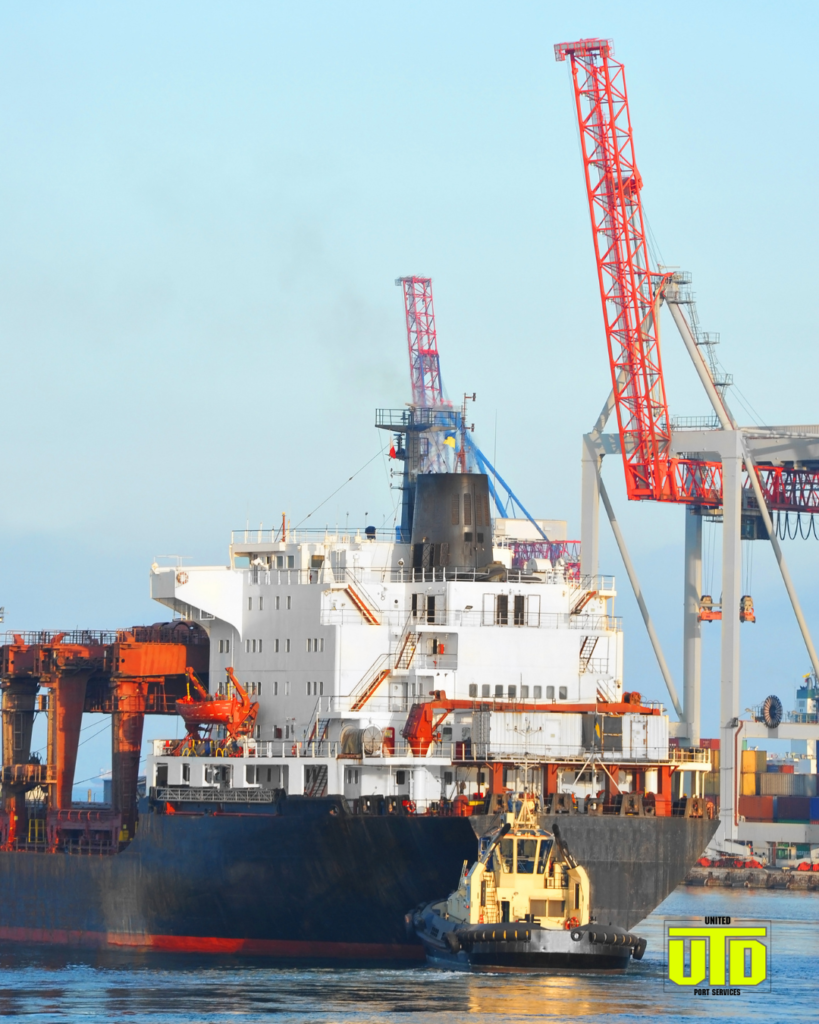
Specialization in maritime operations goes beyond basic service delivery. It involves:
– In-depth technical knowledge of port regulations, environmental standards, and customs requirements
– Integrated coordination capabilities, connecting shipowners, terminals, authorities, and transport providers
– Agility in decision-making, especially in critical situations such as operational delays, weather disruptions, or logistical emergencies
– Use of technology for vessel tracking, document management, and real-time communication
Companies operating at this level of specialization contribute directly to the efficiency of supply chains and the competitiveness of international trade.
Operations in Strategic Ports
Presence in key ports is essential to ensure efficient coverage and integrated logistics solutions. Among Brazil’s main strategic ports are:
- Itaqui (MA) – a key logistics corridor for grain and fuel exports
- Rio Grande (RS) – a reference in container and general cargo handling
- Paranaguá (PR) – a major hub for soybean and corn exports
- Santarém (PA) – a strategic gateway to the Northern region
- Imbituba (SC) – a growing logistics alternative in Southern Brazil
Coordinated operations across different regions, combined with centralized and efficient management, enable fast, reliable responses with excellent cost-effectiveness for shipowners and logistics operators.
Maritime Industry Trends for 2026
The global maritime sector continues to undergo significant changes driven by technology, sustainability, and evolving regulatory demands.
Key trends include:
- Process digitalization, with increasing use of artificial intelligence, blockchain, and integrated document management platforms
- Sustainability, focusing on emission reduction, alternative fuels, and ESG practices
- Port automation, with terminals adopting automated systems and remote-controlled equipment
- Private investments in port infrastructure, driving modernization and capacity expansion
- Logistical resilience, with greater preparedness for extreme weather events, pandemics, and geopolitical tensions
Companies that follow these trends and invest in innovation are better positioned to face challenges and seize market opportunities.
Strategic Partnerships: The Foundation of Efficiency
Building a strong network of reliable partners is essential to ensure:
- Coordinated operations across different regions, respecting local particularities
- Sharing of best practices, continuously improving quality standards
- Operational flexibility, enabling fast responses to specific demands
This collaborative approach is crucial in a dynamic sector where each port call requires detailed planning and precise execution.
Why Invest in Specialization?
Relying on an experienced and dedicated team that operates with transparency, agility, and a results-oriented mindset is a significant competitive advantage.
Specialization enables:
- Reduction of operational costs
- Mitigation of logistical and regulatory risks
- Greater predictability in operations
- Tailored solutions for different cargo types and trade routes
Whether for regular operations or specific demands, specialized services ensure efficiency and reliability at every stage.
Navigating the Future with Excellence
Specialization in maritime operations is a strategic differentiator in an increasingly demanding market.
With presence in strategic ports, strong partnerships, and a focus on innovation, companies in the sector are prepared to navigate the future of global trade in 2026 and beyond.
Connecting ports, people, and opportunities, specialized operations reinforce a commitment to efficiency, sustainability, and client success — wherever the vessel operates.